History
2026 International Conference on Computational Intelligence and Machine Learning (CIML 2026)
Kicks Off in Hangzhou, Exploring Cutting-Edge Frontiers in the Field
On March 28, 2026, 2026 International Conference on Computational Intelligence and Machine Learning (CIML 2026) was successfully held at Hangzhou Sina Hotel. Focusing on cutting-edge research, technological innovation and practical applications in computational intelligence and machine learning, the conference brought together distinguished experts and scholars from universities across China, establishing a high-level platform for academic exchange and cooperation, and injecting new momentum into the research and application transformation of related fields.
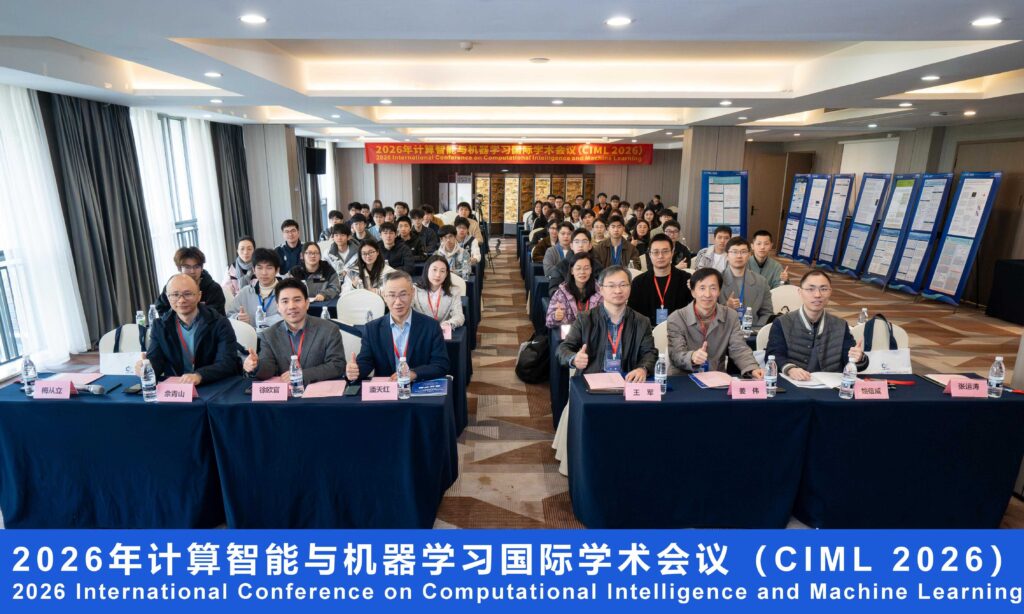
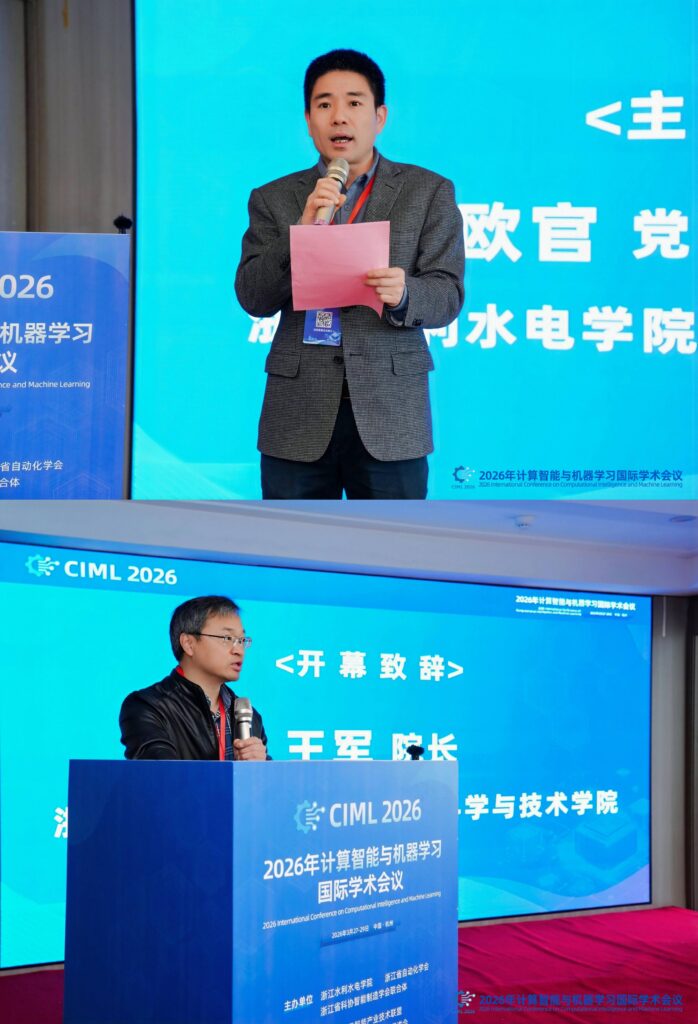
At the opening of the conference, Wang Jun, Dean of the School of Computer Science and Technology, Zhejiang University of Water Resources and Electric Engineering, delivered a speech. He extended a warm welcome to all experts and scholars in attendance. He noted that, as core branches of artificial intelligence, computational intelligence and machine learning play a vital role in advancing technological progress and empowering industrial upgrading. He expressed hope that the conference would strengthen academic exchanges and research collaboration among institutions, pool industrial insights, and jointly explore new directions and pathways for the development of the field. Following the speech, all participants took a group photo to mark this important academic gathering.
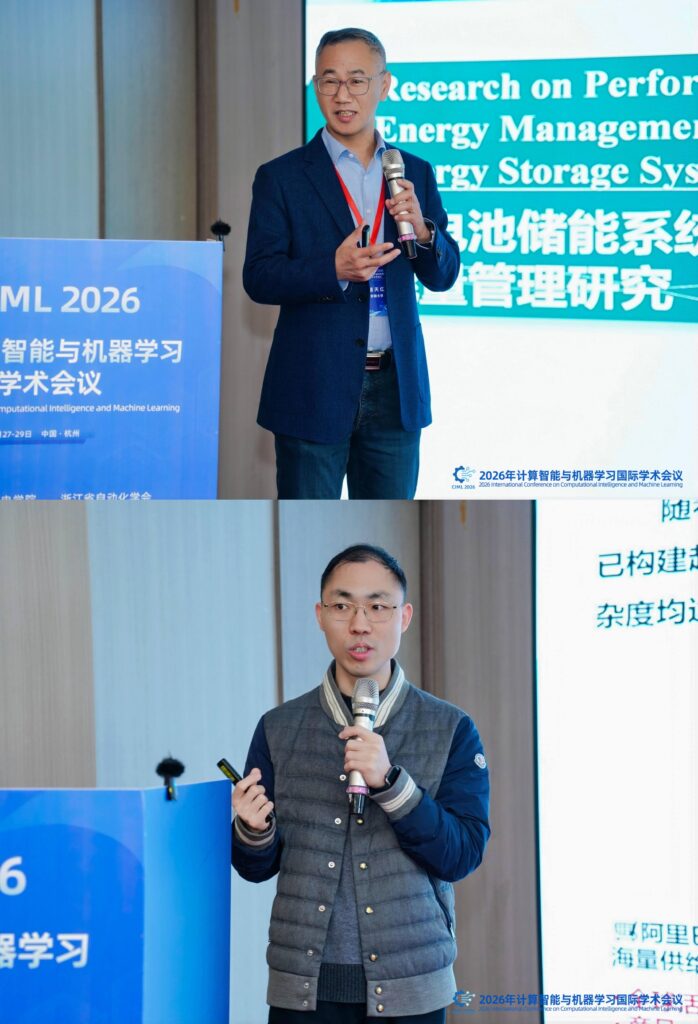
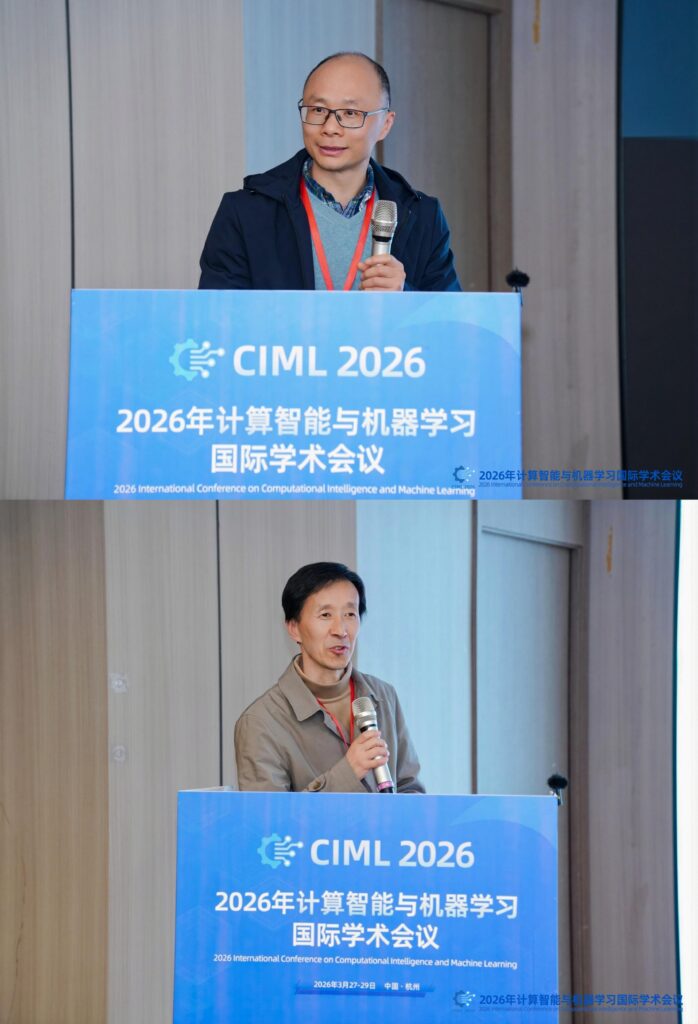
In the keynote session, a number of senior professors in the field delivered insightful and forward-looking academic presentations, offering participants a high-quality academic feast. Professor Pan Tianhong from Anhui University shared research on performance state evaluation and energy management for lithium battery energy storage systems, analyzing key technical challenges and latest achievements, and providing scientific insights for the optimization and upgrading of energy storage systems. Professor Yao Xinwei from Zhejiang University of Technology delivered a cutting-edge report, sharing innovative research directions and technical approaches in computational intelligence. Professor She Qingshan from Hangzhou Dianzi University focused on brain-computer interface technologies and applications, explaining new modes of brain-machine interaction and demonstrating frontier trends in human-computer interaction. Professor Jiang Wei from Zhejiang University of Water Resources and Electric Engineering addressed ReID in an open world, elaborating on the synergy between multimodality and continual learning, and proposing new directions for technological breakthroughs in this area. The presentations were closely aligned with frontier developments, combining theoretical depth and practical value, and inspired in-depth thinking and lively discussions among the audience.
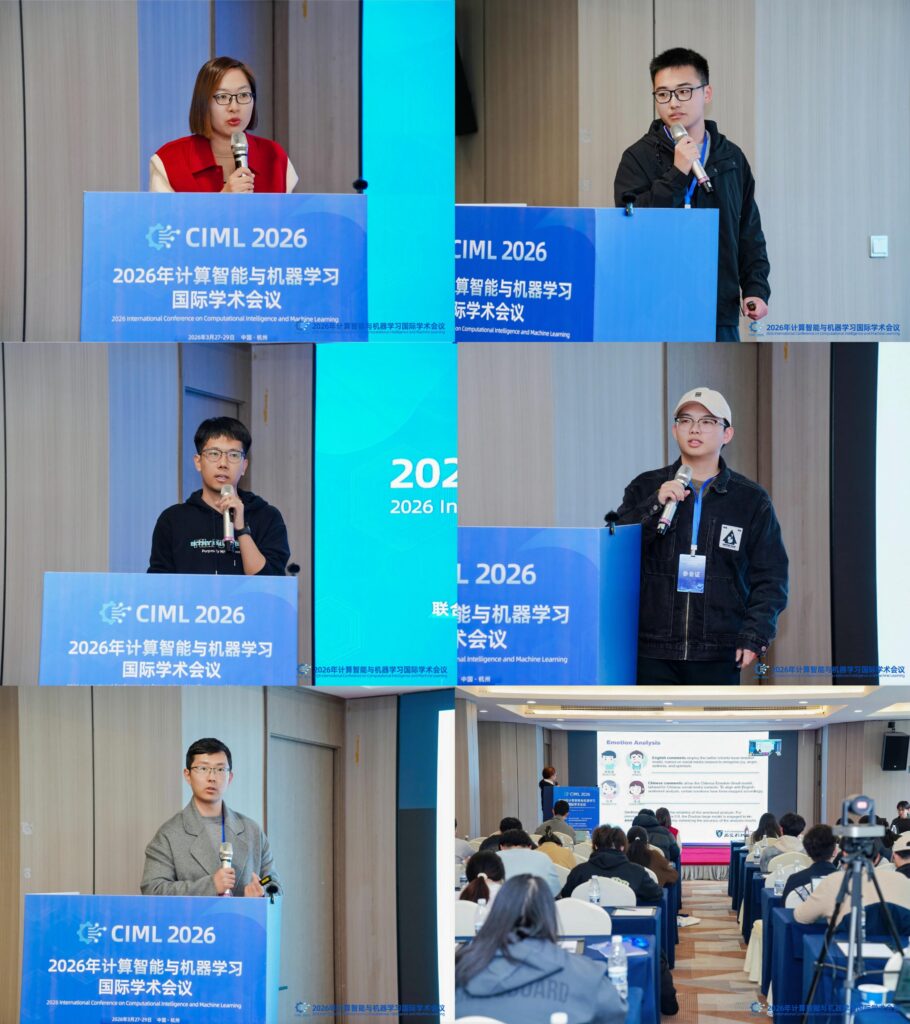
In the afternoon oral presentation session, numerous young scholars and researchers from universities and research institutions at home and abroad presented their research findings in sequence, forming a key part of the academic exchange at the conference. Centered on the core research areas of computational intelligence and machine learning, the session covered multiple subtopics including machine learning algorithm optimization, industrial applications of computational intelligence, multimodal intelligent interaction, computer vision and pattern recognition, and intelligent system development.
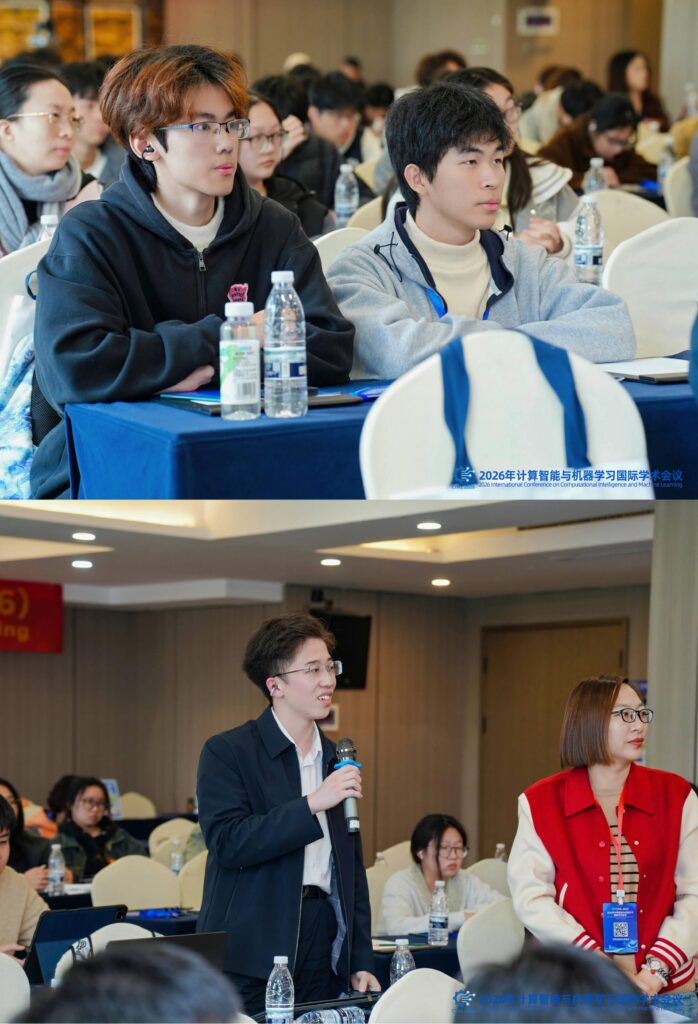
During the presentations, each speaker elaborated on research background, technical framework, experimental design, innovative points and application prospects based on their own work. Several scholars also engaged in in-depth discussions with attendees on technical difficulties and experimental bottlenecks. Participants actively raised questions and exchanged views on research methodology, data analysis, and achievement commercialization, creating a vibrant and interactive atmosphere. Many presentations closely responded to real industrial needs, integrating computational intelligence and machine learning with application scenarios such as intelligent manufacturing, energy internet, human-computer interaction and smart cities, reflecting the trend of deep integration between theoretical research and industrial application in the field.
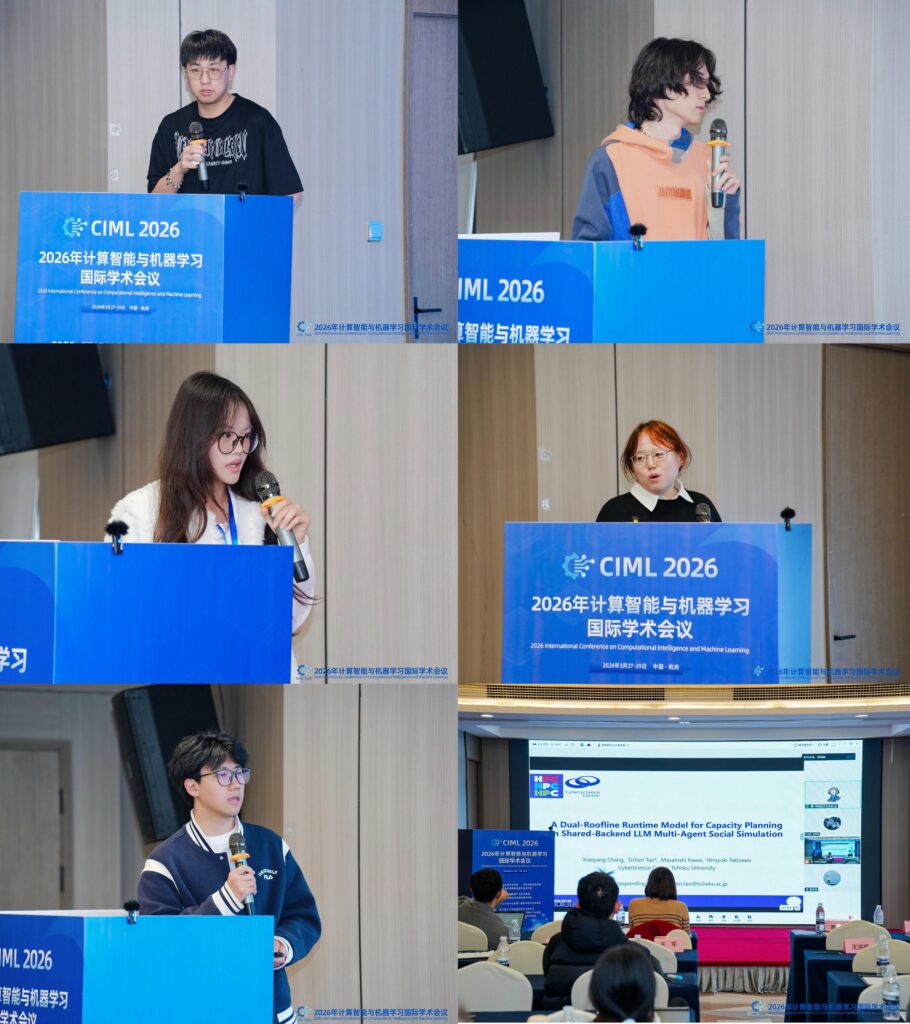
The hours-long oral session not only offered young scholars a valuable platform to showcase findings and exchange academic ideas, but also fostered new research concepts and cooperation opportunities through idea collisions and discussions. It served as a supportive bridge for the growth and communication of young researchers in computational intelligence and machine learning.
The successful convening of CIML 2026 has built an effective communication channel for experts and scholars in computational intelligence and machine learning, significantly advancing academic interaction and research collaboration among Chinese universities, and comprehensively showcasing the latest research outcomes and application progress in the field. Meanwhile, the conference has pointed out clear directions for future research and development, helped drive technological innovation and practical deployment of computational intelligence and machine learning, and further promoted the high-quality development of related disciplines.
Copyright@ CIML 2026
Conference Secretary
Julian
E-mail
icciml@163.com
Phone
+86-19128974370